
Planning Your Construction Project
1. Defining Your Vision and Needs.
Every successful building project starts with a clear vision of what you’re building and why. Is it a family home on the outskirts of Nairobi? A set of rental units for your real estate portfolio? Or a mixed-use development blending residential and commercial spaces? The clarity of your vision guides everything else from your budget and choice of materials to the kind of professionals you’ll need on your team
2. Understanding Land and Location Considerations
Choosing where to build in Kenya is more than just picking a spot on the map. Your location influences construction costs, accessibility, long-term property value, and even the type of foundation your building will require. Whether you’re eyeing a plot in Nairobi, Kisumu, Eldoret, or a more rural county, understanding the site’s characteristics is crucial.
Key Factors to Consider Before You Commit:
Accessibility:
Evaluate how easily the site can be reached. Are there well-maintained roads, public transport options, and essential services like schools, hospitals, and markets nearby? A well-connected location enhances convenience and boosts the property’s long-term value.
Soil Quality:
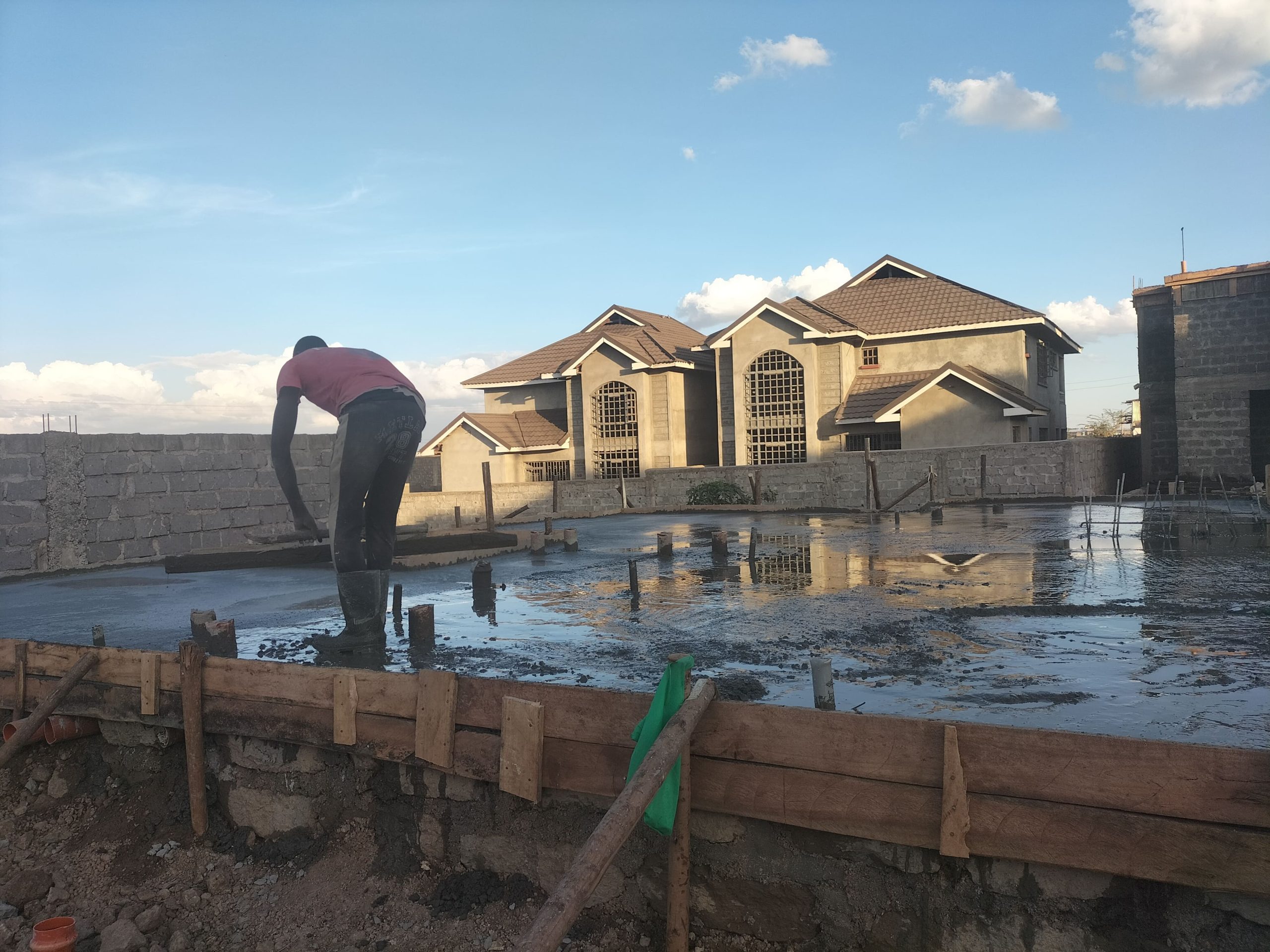
The type of soil on your plot significantly impacts construction methods and costs. For instance, areas like Kitengela, Syokimau, Athi River, and Kamulu along Kangundo Road are known for black cotton soil, which poses challenges due to its expansive nature — swelling when wet and shrinking when dry. This can lead to foundation instability and structural damage if not properly addressed. In such regions, builders often need to excavate the black cotton soil to depths of 1.5 meters or more or employ specialized foundation techniques like suspended slabs or deep piling to reach stable ground.
Zoning Regulations:
Different counties have specific zoning laws dictating land use. A plot suitable for residential development in one area might be designated for agricultural use in another. For example, constructing a commercial building in a zone designated for agriculture in Kericho County can lead to legal complications. Always verify the land’s zoning status with the local county government to ensure compliance and avoid potential fines or demolition orders.
Utility Availability:
Assess the availability and reliability of essential utilities:
Water: Determine if the area is serviced by local water companies or if you’ll need to drill a borehole. Water availability can vary significantly across regions.
Electricity: Check the proximity to the Kenya Power grid and the stability of the power supply in the area.
Sewage: Investigate whether the plot is connected to the main sewage system or if you’ll need to install a septic tank.
Internet Services: Consider the coverage and reliability of internet service providers in the region, especially if you plan to work from home or require consistent connectivity.
These factors not only influence construction logistics but also affect the long-term livability and functionality of your property.
3. Assembling Your Project Team: Why the Right Professionals Make All the Difference
Think Beyond Just ‘Fundis’ and Build with Experts
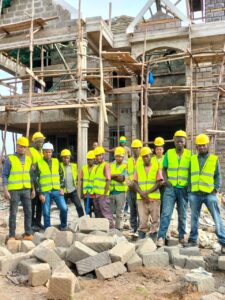
Your construction project is only as strong as the team behind it. While it’s tempting to go with the local fundi who “knows a guy,” real value comes from assembling a team of certified professionals who bring experience, accountability, and technical know-how to your site. In Kenya’s construction space, cutting corners at this stage often leads to delays, inflated costs, and serious safety risks.
Contractor vs. Foreman, What’s the Real Difference?
A foreman may offer some cost savings upfront, but a registered contractor comes with proper certification, a track record, and responsibility for quality and timelines. Contractors manage everything — from sourcing skilled labor and supervising work to ensuring materials meet standards and timelines are respected.
Pro Tip: Always verify a contractor’s registration with the National Construction Authority (NCA). You can search their database online to ensure you’re working with a licensed and active professional.
Explore further: 5 Ways To Find The Right Contractor For Your Building Project]
Structural Engineer , Your Safety Anchor
A structural engineer is very critical especially for multi-storey or commercial buildings. They design the framework of your structure to ensure it withstands wind loads, soil pressure, and other environmental stresses. Without their input, your building may pass on looks but fail on safety, a mistake that hast costed many millions.
In regions with unstable soil like parts of Kitengela, Athi River, and Kamulu, structural engineers help tailor foundations that ensure stability over time, even where black cotton soil is present.

Seek Advice from a Structural Engineer for a Sound Foundation
Architects, Quantity Surveyors & Other Key Professionals
Architects turn your ideas into functional and regulation-compliant designs. A good architect understands your vision and follows the practical needs of the Kenyan environment which includes ventilation, natural lighting, and water harvesting in arid areas.
Quantity Surveyors (QS) help you avoid surprises. They break down costs, track spending, and keep your budget in check. A QS working in Nairobi, for example, will factor in higher labor and material costs than one working in Meru or Bungoma.
4. Navigating the Costs of Building in Kenya: What You Need to Know
How Much Will It Cost to Build a House in Kenya?
Construction costs in Kenya aren’t same all.
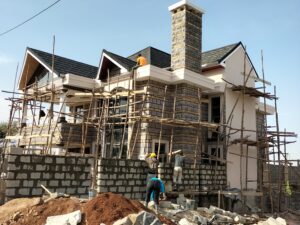
They vary widely depending on your location, design complexity, material choices, and the type of finishes you want. Here’s a practical breakdown based on 2025 trends and current market insights:
Basic Home: KES 35,000 – 60,000 per square meter
This is typical for rural or budget-conscious builds, using locally sourced materials, simple floor plans, and basic finishes. Counties like Bungoma, Vihiga, and parts of Makueni often fall within this range due to lower labor and material transport costs.
Mid-Range Home: KES 60,000 – 85,000 per square meter
Common in peri-urban zones like Nakuru, Machakos, or Thika. This range allows for upgraded finishes, partial use of imported materials, and slightly more complex layouts.
Luxury Home: KES 85,000+ per square meter
In areas like Karen, Runda, or Nyali, custom homes with high-end fittings, imported tiles, smart home systems, and complex architectural features push costs well above this range. Material imports, bespoke carpentry, and premium finishes define this category.
Example: A 3-bedroom home (120m²) will cost between KES 4.2M and KES 10.2M depending on location and finish quality. Expect to be on the higher end in counties like Nairobi and Kiambu, where land and labor costs are steeper.
Understanding Building Permits and Compliance Costs
Before you lay the first stone, you’ll need approvals. The cost and process depend on your county:
Nairobi County:
- Residential Permits: ~0.15% of total project cost
- Commercial Permits: ~1% of total project cost
- Additional Costs: Occupational permit (~KES 2,500), structural plan approval (~KES 8,000 for structures ~900m²)
- Rates may be slightly lower in counties like Kisii, Laikipia, or Kitui, but the procedures still require full documentation and sometimes take longer due to less digitized workflows.
Explore further: Step-by-Step Process of Obtaining Building Permits in Kenya
Major Cost Drivers You Should Plan For
Materials: Local Availability and Transportation Impact
Sourcing materials locally can significantly reduce costs. For instance, in counties like Kiambu and Kajiado, the abundance of building stones and sand means lower material and transportation expenses. Conversely, in remote areas such as Turkana or Lamu, transporting these materials over long distances can substantially increase costs.
Opting for imported finishes like granite countertops, laminate floors, or custom cabinetry can also escalate your budget. These materials not only have higher purchase prices but also incur additional shipping and handling fees.
Labor: Regional Variations in Skilled Workforce
Labor costs in Kenya vary depending on the region. Urban centers like Nairobi and Mombasa tend to have higher labor rates due to the demand for skilled workers. In contrast, towns like Embu or Kapenguria may offer more affordable labor options.
However, it’s crucial to prioritize quality over cost savings. Hiring experienced professionals ensures adherence to construction standards and reduces the likelihood of costly errors or rework.
Design Complexity: Balancing Aesthetics and Practicality
Complex architectural designs, such as flat roofs or open-plan kitchens, can increase construction costs. These designs often require specialized materials and skilled labor, which may not be readily available in all regions.
Additionally, certain designs may not be suitable for specific climates. For example, flat roofs are not be ideal in areas with heavy rainfall due to potential drainage issues. It’s essential to consider local climate conditions and available resources when finalizing your design.
Soil Conditions and Infrastructure Challenges
Unforeseen challenges may impact your construction budget. One such issue is soil condition. Expansive soils, like black cotton soil found in regions such as Kitengela, Athi River, and Kamulu, pose challenges for construction due to their high plasticity and swelling potential. Stabilizing these soils often requires additional materials and engineering solutions which may lead to increasing costs.
Infrastructure challenges, such as delays in utility connections or the need for additional site works in flood-prone areas like parts of Kisumu or Garissa, also result to unexpected expenses.
To mitigate these risks, it’s advisable to allocate a contingency budget of 10-15% of the total project cost. This buffer helps cover unforeseen expenses and keep your project on track.